The Hill Spotlights Critical Fight to Save HIV Funding Amid Growing National Outcry Over Proposed Cuts to HIV/AIDS Programs By Lawmakers


FOR IMMEDIATE RELEASE
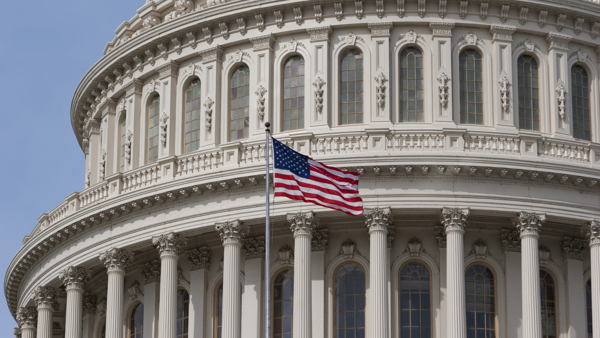
Washington, D.C – Tuesday, November 4, 2025 — Organizers of the #SaveHIVFunding campaign today shared a critical news report published by The Hill spotlighting the crisis to defend life-saving HIV/AIDS funding amid threats from the House Republican FY 2026 Labor, Health and Human Services, Education, and Related Agencies (LHHS) spending bill. The report underscores how proposed cuts continue to set the stage for the unraveling of decades of public health progress. The piece also features the inspiring work of the Save HIV Funding (SHF) campaign, its partner organizations, and network of health care providers across the U.S., who are leading a coordinated, nationwide response to underreported threats to HIV funding in FY 2026.
Read the full piece here, by Surina Venkat:
The Hill details how Republican House leaders are targeting domestic HIV prevention programs and the U.S. President’s Emergency Plan for AIDS Relief (PEPFAR) — the largest global health initiative ever undertaken that is focused on a single disease — as part of a broader effort to reshape federal spending priorities. Advocates say such actions would devastate millions of lives and reverse critical gains in treatment access, prevention, and research, including $525 million for the Ryan White HIV/AIDS Program, the flagship federal program that helps provide treatment for people living with HIV nationwide.
“The idea that anyone would consider slashing programs that have saved millions of lives and strengthened public health systems around the world is unconscionable,” The Hill reported one advocate saying. “This isn’t just about funding — it’s about people’s right to live.”
Since its launch, SHF has mobilized a broad coalition of HIV advocates, medical experts, and community leaders to push back against these policy threats. Expanding this year in response to the Trump Administration’s escalating threats to dismantle essential HIV services and infrastructure, the campaign has operated as a strategic convener across party lines, healthcare providers, and advocacy organizations to organize national advocacy efforts, storytelling initiatives – including the #CutsKill Quilt – and direct outreach to lawmakers to underscore the human cost of defunding HIV programs.
As The Hill noted, “The Save HIV Funding coalition has become one of the most visible public forces countering proposed federal rollbacks — using art, activism, and real-time storytelling to put faces to the potential fallout of these cuts.”
The report also connects these potential cuts to broader public health consequences, saying in part that:
“Rolling back HIV funding would weaken America’s preparedness for future health crises — from the opioid epidemic to COVID-19 — by dismantling the very infrastructure built to respond
The campaign’s organizers encourage the public to read The Hill’s coverage and join the growing movement to defend HIV funding. Supporters can also follow @SaveHIVFunding on Instagram for updates, community stories, and ways to take action.
FOR PRESS: Access the Save HIV Funding Media Resource Kit here:


THE #CUTSKILL QUILT
Inspired by the AIDS Memorial Quilt of the 1980s, the #CutsKill Quilt was designed and created by community members and HIV service providers from across the country and around the world, and honors lives lost while warning of the devastating impact that billions in proposed federal cuts would have on HIV prevention, treatment, housing, and care. Each panel of the #CutsKill Quilt represents programs, services, and communities that would be at risk if funding is gutted.
First unveiled in Washington, D.C in September, coinciding with the U.S. Conference on HIV/AIDS (USCHA), the quilt sent a clear message: #CutsKill. And Congress must act now to reject the House’s FY26 proposal, which would devastate access to care and erase decades of progress in the fight to end the HIV epidemic.With even more panels added since the September debut, the #CutsKill Quilt traveled to Atlanta to be displayed at the IDWeek conference with remarks by Dr. Demetre Daslakakis and actor Javier Muñoz. It is set to be displayed again at the ANAC2025 conference in Philadelphia this week.
Those who would like to submit a Digital quilt to the campaign, may do so here:

HIV FUNDING FAST FACTS:
- Federal HIV programs have more than 35 years of bipartisan support: In 2003, President George W. Bush created PEPFAR (the President’s Emergency Plan for AIDS Relief), which has saved 25 million lives worldwide. Domestically, Bush signed reauthorizations of the Ryan White CARE Act, expanding federal support for HIV care. Protecting HIV funding has historically been a bipartisan commitment to public health and stability.
- Federal HIV programs are cost-effective: Every $1 invested in HIV prevention saves the health care system $3 to $7 in future treatment costs. Cuts would increase long-term spending.
- Medicaid is the largest source of coverage for people with HIV in the U.S., covering roughly 40% of people living with HIV. Medicaid expansion has been associated with a 33% increase in PrEP prescriptions. Cuts to HIV funding would have ripple effects across the entire Medicaid system, limiting access to care for millions of low-income Americans.
- HIV care is part of the U.S. health care system: Federal HIV funding supports access to preventive care, primary care, mental health services, housing, and medications. Cutting these funds would destabilize programs millions of Americans depend on — including those living with chronic conditions, low-income families, and uninsured people.
- Over 1.2 million Americans are living with HIV, and over 500,000 rely on federal programs like the Ryan White HIV/AIDS Program for lifesaving medication and care.
- HIV prevention funding protects everyone: The federal government funds access to PrEP (pre-exposure prophylaxis), a daily medication that reduces the vulnerability of HIV by 99%. Rolling back funding would increase new HIV cases and long-term costs to the health care system.
- HIV funding is about more than one disease: These programs create a blueprint for coordinated, federally funded responses to health crises — from the opioid epidemic to COVID-19. Gutting HIV funding would weaken America’s preparedness for future public health threats.
- HIV funding protects vulnerable communities: Black and Latine communities account for more than 65% of new HIV diagnoses. Protecting these funds is about protecting racial and health equity.

Press Contact:
Tony Morrison
About the Save HIV Funding Campaign:
Launched in 2023 by PrEP4All, AVAC, and the HIV Medicine Association in partnership with the Federal AIDS Policy Partnership, the Save HIV Funding campaign is supported by over 150 national and local organizations. The campaign began in response to proposed Congressional cuts to federal HIV programs and successfully helped avert $1.5 billion in domestic HIV funding cuts.
In early 2025, the campaign expanded in response to the Trump Administration’s escalating efforts to dismantle essential HIV services and infrastructure. Today, Save HIV Funding continues to mobilize advocates, patients, healthcare providers, and public figures to ensure access to lifesaving care for everyone impacted by HIV.